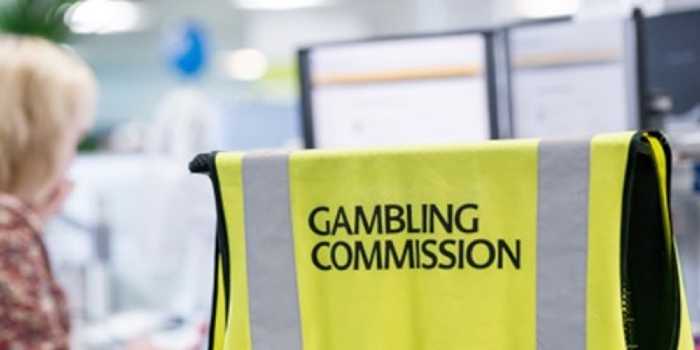
The UK’s gambling regulator is starting to treat illegal online betting less like a compliance issue and more like a long-term digital enforcement battle.
In a newly published job listing, the Gambling Commission confirmed it is hiring a dedicated “Head of Illegal Markets,” a senior role focused almost entirely on combating the growth of offshore gambling operators targeting UK players.
A New Senior Role Focused on Illegal Gambling Enforcement
According to the regulator, the new hire will coordinate intelligence, enforcement, sports betting integrity, and legal teams while helping shape both tactical investigations and long-term strategy around illegal gambling activity.
The role is also expected to deal with what the Commission describes as “novel and contentious issues,” including emerging products, high-risk operators, and potentially precedent-setting cases tied to offshore gambling markets.
Applications remain open until 24 May, with interviews scheduled for early June.
What stands out is how the position is being framed internally. The Gambling Commission described it as a high-profile leadership role with regular exposure to senior executives, board members, and external stakeholders, suggesting the black market is now becoming one of the regulator’s central priorities rather than a secondary enforcement issue.
Black Market Growth A Key Contributor
The timing is not accidental. Recent estimates from H2 Gambling Capital suggest Britain’s illegal gambling market reached roughly £16.6 billion in betting volume during 2025, a figure the Betting and Gaming Council says has roughly tripled since 2019. That growth has intensified pressure on both regulators and licensed operators as offshore sportsbooks and crypto casinos continue targeting UK consumers through social media, mirror sites, affiliates, VPN access, and alternative payment systems.
The Commission has repeatedly warned that illegal operators are becoming more sophisticated digitally, making enforcement significantly harder than simply blocking individual websites. At the same time, parts of the gambling industry argue that stricter regulation may unintentionally be helping offshore operators compete more effectively.
Recent policy changes, including the increase in Remote Gaming Duty and tighter affordability-related measures, have drawn criticism from some operators and analysts who believe heavier restrictions risk pushing certain users toward less regulated alternatives offering fewer checks and more flexible products.
Budget Increase Translating into Action
The new enforcement role also follows a major funding increase for the regulator. Late last year, HM Treasury committed roughly £26 million in additional funding over three years specifically aimed at strengthening efforts against illegal gambling activity.
Former Gambling Commission chief executive Andrew Rhodes described the investment as unprecedented during his time in the public sector, while executive director Tim Miller previously acknowledged that regulators and licensed operators cannot tackle the black market alone.
The creation of a dedicated Head of Illegal Markets role suggests the Commission is now shifting from broad policy discussions toward building a more specialised enforcement structure around offshore gambling.